📋 Table of Contents
The Hidden Health Crisis Beneath Our Feet: Understanding Common Foot Conditions and Their Impact on Daily Life
In an age where we spend over eight hours a day standing, walking, or sitting, our feet endure relentless pressure without much recognition. From athletes to office workers, nearly everyone experiences some form of foot discomfort at least once in their lifetime.
This article explores how common foot conditions can silently disrupt daily routines, affect mobility, and even signal underlying health issues that require immediate attention. By understanding these often-overlooked problems, individuals can take proactive steps toward better foot care and overall well-being.
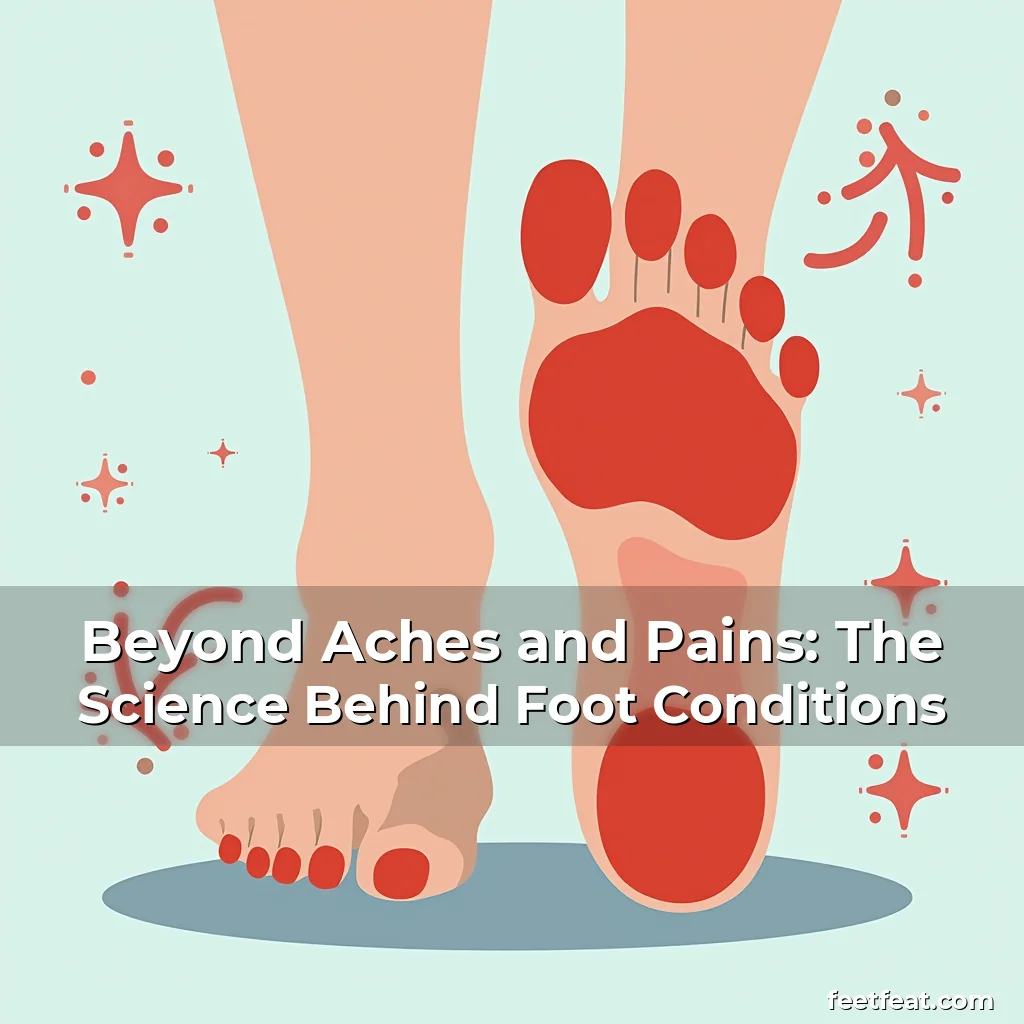
Beyond Aches and Pains: The Science Behind Foot Conditions
Foot anatomy is remarkably complex, housing 26 bones, 33 joints, and over 100 muscles, tendons, and ligaments working in harmony. This intricate structure allows us to walk miles each day while adapting to various terrains and footwear choices.
However, when imbalances occur within this system, from improper gait patterns to biomechanical misalignments, they manifest as painful symptoms ranging from mild discomfort to debilitating injuries. These disruptions are not merely inconveniences but potential indicators of deeper systemic issues.
Common causes include:
- Prolonged standing or repetitive motion: Occupations requiring extended periods on concrete floors significantly increase risk factors for plantar fasciitis and Morton’s neuroma
- Improper footwear: High heels exceeding three inches contribute to metatarsalgia by shifting weight distribution forward in the foot
- Aging-related changes: Degenerative joint disease affects approximately 28% of adults over 60 years old, leading to chronic pain and reduced mobility
The human foot undergoes constant microtrauma during movement, which under normal circumstances heals itself through natural repair mechanisms. But when these processes become overwhelmed due to lifestyle factors or pre-existing conditions, persistent inflammation sets in, evolving into diagnosable medical concerns.
Clinicians categorize foot disorders based on severity levels, duration of symptoms, and impact on functionality. Acute conditions typically resolve within weeks with appropriate treatment, whereas chronic ailments may persist for months or years if left unaddressed.
The Silent Epidemic: Prevalence of Foot Problems Across Demographics
Recent studies indicate that up to 75% of Americans experience regular foot pain, yet only a fraction seek professional evaluation. This discrepancy highlights both societal neglect and lack of awareness regarding available treatments.
Data from the National Institute of Arthritis and Musculoskeletal and Skin Diseases reveals alarming trends across different populations. Among office workers who wear closed-toe shoes most of the time, heel spurs develop 40% faster than in those with more varied footwear habits.
Differential Risk Factors Across Age Groups
Youthful demographics face distinct challenges related to growing bodies and active lifestyles. Children aged 8-14 years commonly suffer from Sever’s disease, an inflammatory condition affecting the growth plate near the back of the heel.
Conversely, middle-aged individuals encounter higher incidence rates of bunions and hammertoes due to cumulative effects of shoe-wearing habits and genetic predispositions. These conditions progressively worsen over decades unless corrected early.
Senior citizens bear the brunt of degenerative diseases such as osteoarthritis and Charcot-Marie-Tooth disease, which severely impair balance and coordination. Approximately 20% of people over 65 experience significant functional limitations due to advanced foot deterioration.
Gender also plays a role in foot disorder prevalence. Women are disproportionately affected by certain conditions, particularly ingrown toenails and fungal infections, largely attributed to frequent use of narrow toe boxes in fashionable footwear styles.
Occupational hazards further compound existing risks. Healthcare professionals report that nurses have twice the rate of stress fractures compared to sedentary workers, primarily because of prolonged standing on hard surfaces combined with heavy lifting requirements.
Decoding the Most Frequent Foot Conditions: Symptoms, Causes, and Management Strategies
Plantar fasciitis remains one of the most prevalent foot complaints worldwide, characterized by sharp heel pain upon first awakening. This condition results from excessive strain on the connective tissue band running along the bottom of the foot.
Symptoms usually intensify after long periods of rest, making morning walks especially challenging. While conservative treatments like stretching exercises and orthotics provide relief for many patients, severe cases might necessitate corticosteroid injections or shockwave therapy interventions.
Morton’s neuroma develops between the third and fourth toes, causing numbness, tingling sensations, and burning pain radiating outward. It arises from compression of nerve tissues beneath the ball of the foot, frequently exacerbated by tight-fitting shoes or high-impact activities.
Diabetic neuropathy presents uniquely among metabolic disorders, manifesting as loss of sensation coupled with increased susceptibility to ulcers and infections. Regular monitoring becomes crucial for preventing complications that could lead to amputation if neglected.
Hallux valgus, commonly known as a bunion, forms when the big toe angles inward towards other toes, creating a prominent bump at its base. Genetic factors play a substantial role here, though improper footwear definitely accelerates progression timelines.
Tarsal tunnel syndrome mirrors carpal tunnel syndrome in upper extremities but occurs behind the ankle inside the tarsal tunnel space. Compression of the posterior tibial nerve leads to pain, tingling, and sometimes muscle weakness in the sole area.
Rheumatoid arthritis introduces autoimmune elements into foot pathology, attacking synovium lining around joints rather than simply wearing them down naturally with age. This aggressive form requires specialized management approaches involving immunomodulatory medications alongside physical rehabilitation programs.
When to Seek Professional Help: Recognizing Warning Signs That Require Medical Attention
While occasional foot soreness following intense workouts is typical, certain red flags demand prompt consultation with healthcare providers. Persistent swelling lasting more than two days despite home remedies warrants investigation for possible infection or injury.
Emergency situations include:
- Severe trauma: Fractures resulting from falls or accidents need x-rays and possibly surgical intervention depending on bone displacement
- Rapidly spreading infections: Cellulitis showing signs of fever, chills, or worsening erythema demands antibiotic treatment without delay
- Acute compartment syndrome: Swelling so extreme that it restricts blood flow must be addressed urgently through decompression surgery
Non-emergency but still concerning developments involve progressive deformity changes visible over several weeks or months. Bunions that grow larger despite trying wider shoes suggest structural shifts needing orthotic support or corrective procedures.
Unexplained bruising appearing suddenly without obvious cause should never be ignored. It could signify internal bleeding from vascular damage hidden beneath skin layers, potentially linked to coagulation disorders or undetected tumors.
Changes in nail appearance accompanied by thickening, discoloration, or separation from nail bed raise suspicion of fungal infections or melanoma variants specifically located on digit structures. Early diagnosis improves prognosis substantially regardless of treatment modality chosen.
Navigating Diagnostic Procedures: How Doctors Assess Foot Complaints
Medical evaluations begin with thorough patient history taking focusing on symptom onset, location, intensity, and aggravating factors. Physical examination then confirms findings observed visually and through palpation techniques applied systematically across all anatomical regions.
X-ray imaging provides initial insight into bony architecture revealing stress fractures, dislocations, or arthritic changes. However, soft tissue abnormalities often remain invisible until contrast media enhanced MRI scans are performed later stages.
Diagnostic ultrasound has gained popularity recently for assessing tendon integrity and detecting fluid accumulations indicative of inflammation. Its non-invasive nature makes it ideal for children and pregnant women undergoing prenatal checkups simultaneously.
Laboratory tests prove invaluable whenever infectious agents come into question. Culturing wound secretions helps identify causative organisms guiding antimicrobial selection precisely tailored against resistant strains.
Electromyography (EMG) aids in distinguishing neurological versus musculoskeletal sources of pain when standard methods fail to produce clear answers. This procedure measures electrical activity within nerves and muscles helping localize lesions accurately.
Therapeutic Approaches: Treatments Spanning Conservative Care Through Surgical Interventions
Initial management strategies prioritize reducing inflammation and restoring function through nonsurgical means. Rest, ice application, elevation, and compression constitute RICE protocol widely recommended for acute injuries irrespective of exact diagnoses.
Custom-molded orthoses offer targeted support addressing mechanical deficiencies contributing to pain generation sites. They redistribute weight loads appropriately minimizing undue stresses placed on vulnerable areas prone to breakdown.
Physical therapy sessions incorporate strengthening exercises aimed at improving flexibility and proprioception abilities essential for maintaining stability. Balance training regimens help prevent future episodes by enhancing muscular control systems.
Pharmacological options vary according to individual needs; topical analgesics suffice for minor discomfort whereas oral NSAIDs manage moderate flare-ups effectively. Injections containing local anesthetics mixed with cortisone deliver potent anti-inflammatory effects localized directly onto inflamed tissues.
Surgical considerations arise when conservative therapies fail to achieve satisfactory outcomes after six months of consistent adherence. Minimally invasive procedures like endoscopic release surgeries minimize recovery times allowing quicker return to routine activities post-operation.
Rehabilitation phases follow specific protocols designed to maximize healing potential while avoiding re-injury scenarios. Gradual reintroduction of weight-bearing tasks ensures tissues adapt properly before resuming full workload capacities safely.
Preventive Measures: Building Long-Term Resilience Against Future Foot Issues
Proactive foot care begins with selecting appropriate footwear matching intended activities exactly. Sports enthusiasts benefit greatly from cushioned soles and arch supports engineered specifically for their chosen disciplines.
Regular inspection routines enable early detection of emerging problems before they escalate beyond manageable thresholds. Checking for blisters, corns, calluses, or unusual color variations facilitates timely intervention preventing escalation pathways.
Maintaining optimal body weight reduces load bearing pressures transferred through lower limbs dramatically decreasing chances of developing osteoarthritic changes prematurely. Even modest reductions yield measurable improvements in overall comfort levels experienced daily.
Engaging in low-impact aerobic exercises promotes circulation benefits essential for delivering nutrients efficiently throughout extensive networks comprising numerous small vessels servicing entire podiatric territories comprehensively.
Incorporating dynamic warm-up sequences prior to exercising enhances range-of-motion capabilities preparing joints adequately for anticipated movements without triggering sudden microtears liable to initiate cascade reactions propagating further complications downstream.
Moisturizing dry skin regularly prevents cracking that could lead to bacterial ingress points facilitating opportunistic infections exploiting compromised barriers created by fissured epidermal layers exposed externally now.
Practicing good hygiene standards consistently minimizes microbial colonization risks especially pertinent for diabetics whose immune responses might not respond optimally against invading pathogens otherwise easily controlled in healthier individuals generally speaking.
Emerging Trends in Podiatry: Innovations Shaping Modern Footcare Practices
Advancements in biotechnology have led to development of bioengineered skin grafts capable of accelerating ulcer healing rates seen in diabetic patients suffering from chronic wounds refractory to conventional treatments previously employed routinely without success stories reported frequently enough.
Smart insoles equipped with sensors monitor gait patterns continuously transmitting real-time data wirelessly to mobile devices enabling users track progress objectively adjusting interventions accordingly dynamically responding proactively instead passively waiting reactive measures alone.
Regenerative medicine applications utilizing stem cell therapy show promise treating degenerative joint diseases by promoting cartilage regeneration where traditional surgical reconstruction methods fall short lacking sufficient biological materials necessary for complete restoration efforts undertaken manually by surgeons conventionally trained traditionally.
Telemedicine platforms expand access to specialist consultations globally overcoming geographical constraints limiting availability of qualified practitioners serving remote communities underserved historically by inadequate infrastructure supporting quality healthcare delivery uniformly across diverse populations.
Artificial intelligence algorithms analyze vast datasets identifying predictive markers associated with specific pathologies aiding clinicians make more accurate differential diagnoses earlier thereby initiating appropriate therapeutic plans sooner rather than later potentially altering disease trajectories positively impacting patient prognoses ultimately.
Conclusion
Foot conditions represent far more than mere annoyances disrupting our lives subtly but profoundly. They serve as critical indicators reflecting broader aspects of personal health statuses requiring careful attention paid diligently through informed decision-making processes initiated promptly whenever warning signals emerge visibly or implicitly.
By adopting preventive strategies rooted firmly in scientific evidence combined with modern technological innovations currently transforming clinical landscapes dynamically, individuals empower themselves effectively safeguarding long-term wellness achievements sustainably maintained consistently over lifetimes lived fully without unnecessary hindrances imposed unnecessarily.

news is a contributor at FeetFeat. We are committed to providing well-researched, accurate, and valuable content to our readers.
You May Also Like


📤 Share This Article
📖 Related Articles


